Glenside, Pennsylvania
Deep Tissue Massage in Glenside, PA
If you've been sitting at a desk for eight hours a day, or training hard, or just carrying a year's worth of tension between your shoulder blades — this is the massage that actually does something about it. A focused 60-minute session is the standard build; 90 minutes covers full back, neck, and legs without rushing.
At a glance
The session in five numbers
| Detail | Number | Note |
|---|---|---|
| Session length | 30 / 60 / 90 min | 60 min is most popular |
| Pressure | Firm, adjustable | Therapist checks in throughout |
| Best for | Knots · tension | Neck, shoulders, lower back |
| Recommended cadence | Every 2 – 4 wks | For chronic tension |
| Booking | Walk-ins welcome | Open 9 AM – 9 PM daily |
What Deep Tissue Massage Actually Is
Deep tissue isn't just "regular massage but harder." It's a specific technique that targets the deeper layers of muscle fiber and the fascia (the connective tissue that wraps around your muscles). The therapist uses slow, deliberate strokes with sustained pressure — often with forearms, elbows, or knuckles rather than just palms. NCCIH on low back pain and complementary approaches specifically names massage among the hands-on options people turn to for stubborn lower-back tension — which is one of the most common reasons clients book deep tissue with us.
At Tao Spa, our therapists are licensed and cross-trained in both Western deep tissue methods and traditional Chinese bodywork. That means they can read tension patterns in your body and adjust their approach — sometimes using cross-fiber friction on a stubborn knot, sometimes switching to broader compression to release a whole muscle group. The American Massage Therapy Association (AMTA) framing of skilled bodywork as patient-led and conversation-driven matches how we work the table.
How it should feel
It's not supposed to leave you wincing. The goal is firm, effective pressure that you can breathe through. If you need them to back off — or push harder — just say so. Every session is adjusted to you. NCCIH on chronic pain and complementary approaches notes that massage is among the more studied hands-on options for ongoing musculoskeletal pain — most helpful when communication with your therapist stays open and ongoing, which is exactly the operating principle here.
"Firm pressure should feel like good hurt, never sharp pain. If it's sharp, we adjust — every time."
Book a Session That Fits
30 min
TargetedFocused work on one or two problem areas. Good for a stiff neck, locked-up shoulders, or lower back pain when you know exactly where it hurts.
Quick relief between appointments
60 min
Full BodyThe standard session. Your therapist works through the full body with extra time on your trouble spots. Most people book this — it's long enough to be thorough without being a big time commitment.
Most popular choice
90 min
ComprehensiveFor people who need real work done. The extra 30 minutes means the therapist can address multiple areas without rushing — back, neck, legs, arms, whatever needs attention. You'll walk out feeling noticeably different.
Best for chronic tension
Who Gets Deep Tissue at Tao Spa
Desk workers with chronic neck and shoulder tension — the kind that builds up Monday through Friday and doesn't go away over the weekend.
Runners and gym-goers from the Cheltenham, Abington, and Jenkintown area who use deep tissue for recovery, mobility, and injury prevention.
People recovering from pulled muscles or repetitive strain — the therapist can work around an injury without aggravating it.
Anyone who's tried the light-pressure spa massage and thought 'I need something that actually gets in there.'
Clients dealing with lower back pain, sciatica tension, or IT band tightness who need focused, sustained work on specific areas.
What to Expect
Before: You'll have a quick chat with your therapist about what's going on — where you hold tension, any injuries, and how much pressure you like. No intake form that takes 20 minutes.
During: The room is warm, dim, and quiet. The therapist works systematically through the areas you discussed, checking in on pressure. They may use hot towels to warm up muscle groups before going deeper.
After: Drink water. You might feel a bit tender in the worked areas for 12–24 hours — that's normal and means the therapy is working. Most clients report significantly less tension by the next day.
Pairs Well With
Hot Stone Add-On
Heated stones loosen tight muscles before deep work — makes the session more effective and less intense.
Cupping
15 minutes of cupping on the back or shoulders before deep tissue can release surface tension, letting the therapist access deeper layers.
Himalayan Salt Stone
Mineral-rich heated stones that combine warmth with trace elements. Good for inflammation.
Find Us in Glenside
We're at 106 N Keswick Ave — on the main strip in downtown Glenside, near the Keswick Theatre. Easy to spot, easy to park.
Serving Glenside, Jenkintown, Wyncote, Elkins Park, Cheltenham, Abington, and surrounding Montgomery County communities.
Inside a deep tissue massage in Glenside
Firm, slow, and specific — deep tissue work spends most of its time on three or four problem areas rather than the whole body.
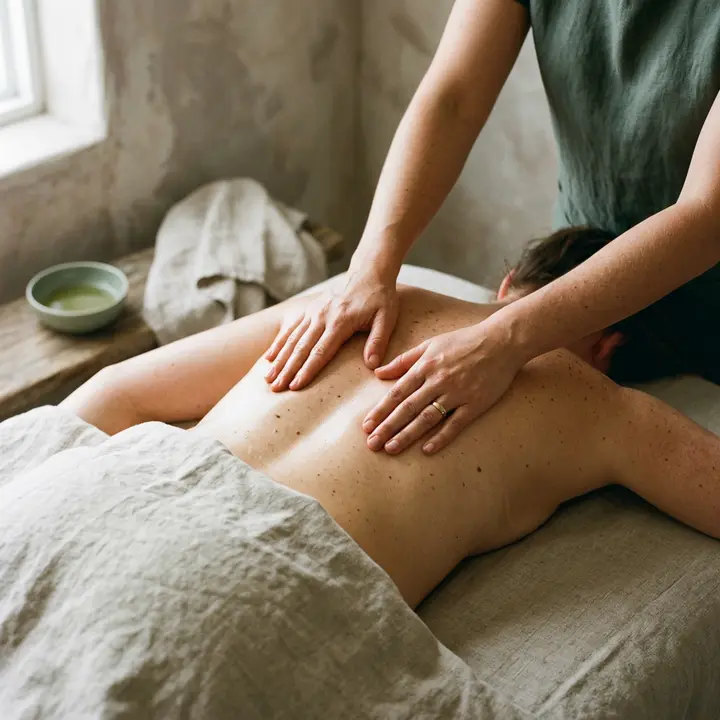
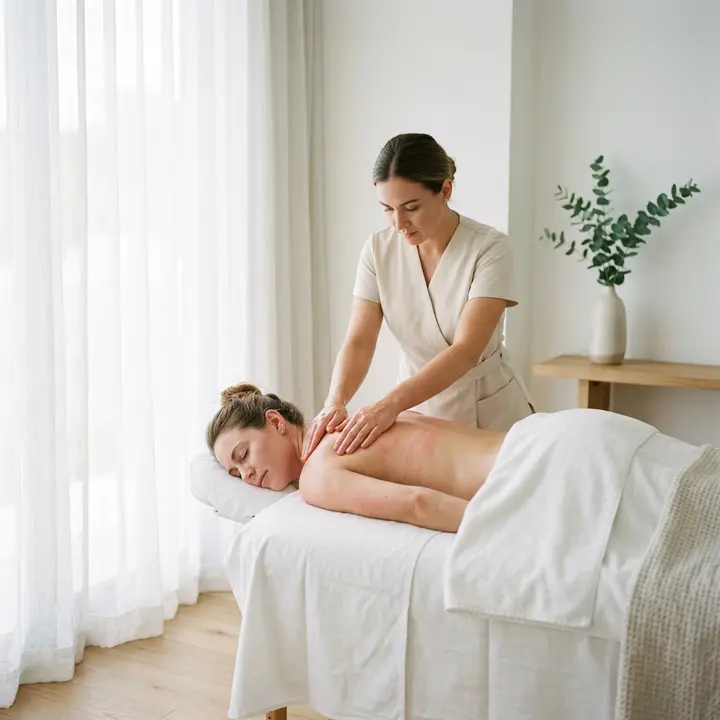
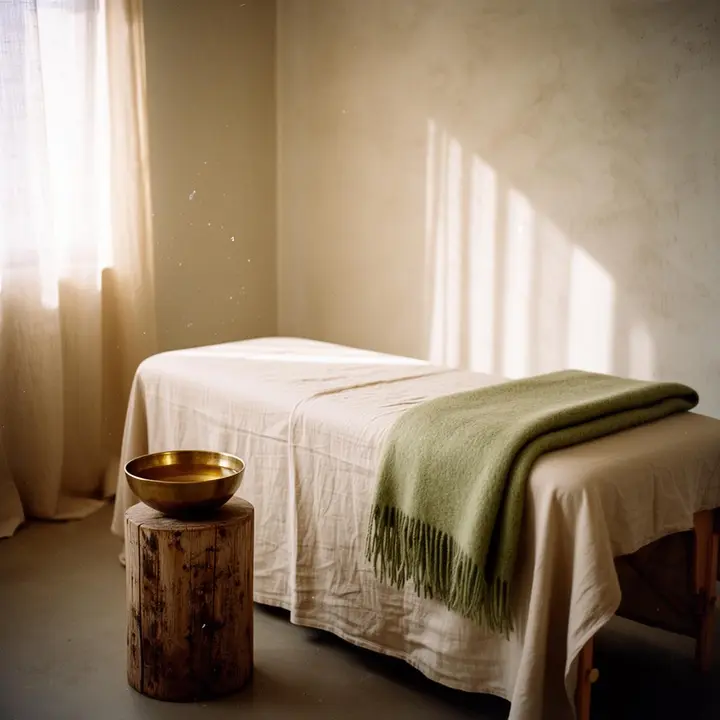
Treatment photography is illustrative of the services described.
Key facts
Tao Spa Glenside at a glance
| Address | 106 N Keswick Ave, Glenside, PA 19038 |
|---|---|
| Phone | (215) 824-8585 |
| Hours | Mon–Sun 9:00 AM – 9:00 PM |
| Google rating | 4.7 stars from 359 reviews |
| Session lengths | 15 · 25 · 30 · 50 · 60 · 75 · 90 · 100 · 120 · 360 minutes |
| Menu size | 45 bookable services across 8 categories |
| Other location | Tao Spa Spring House — 752 N Bethlehem Pike, Spring House, PA 19477 |
| Other location hours | Mon–Sun 10:00 AM – 9:00 PM (Closed Tuesday) |
Session lengths
Deep tissue and related bodywork in Glenside
| Service | Length | Menu section |
|---|---|---|
| Healthy Combo Massage | 60min | Tao's Specials |
| Abdominal Massage (Females only) | 30min | Tao's Specials |
| Luxury Body Massage | 75min | Massage Pro |
| Relax Rest & Recover Therapy | 60min | Massage Pro |
| Asian Power Massage | 60min | Massage Pro |
| Relieve Cream Massage | 60min | Massage Pro |
| Tao Ashiatsu Massage | 90min | Massage Pro |
| Deep Tissue Massage | 30min | Massage Bodywork |
Most clients book 60 minutes; 90 leaves room to work more than one area properly.
Frequently Asked Questions
How is deep tissue different from a regular massage?
A regular (Swedish) massage uses lighter, flowing strokes to promote relaxation. Deep tissue massage uses slower, firmer pressure focused on specific areas of tension — targeting the deeper layers of muscle and connective tissue. It's therapeutic, not just relaxing.
Will deep tissue massage hurt?
It shouldn't be painful, but you'll feel it. There's a difference between 'good pressure' and pain. Our therapists check in throughout the session, and you can always ask them to adjust. Some tenderness the next day is normal, especially on your first visit.
How often should I get a deep tissue massage?
For chronic tension or recovery, every 2–4 weeks is typical. Some clients come weekly during high-stress periods. For maintenance, once a month is usually enough. Your therapist can recommend a schedule based on what they find during your first session.
Can I request extra focus on specific areas?
Yes — and you should. Let the therapist know what's bothering you before the session starts. If it's all in your shoulders and neck, they can spend more time there. If your lower back has been acting up, they'll adjust accordingly.
What session length should I book for deep tissue?
We offer 30, 60, and 90 minutes. If you have one specific problem area (neck, lower back), 30 minutes can work. For full-body deep tissue, 60 minutes is the sweet spot. 90 minutes gives the therapist time to be thorough without rushing.
Should I drink water after a deep tissue massage?
Yes. Deep tissue work increases circulation and can release metabolic waste from muscles. Staying hydrated afterward helps your body flush that out and reduces next-day soreness.
Ready to Relax at Tao Spa?
Whether you're planning a self-care day, booking a massage, or exploring facial treatments, Tao Spa offers a relaxing spa experience at two convenient Pennsylvania locations.
Tao Spa
Glenside: 106 N Keswick Ave, Glenside, PA 19038
Spring House: 752 N Bethlehem Pike, Spring House, PA 19477
(215) 824-8585 Text UsPlan your visit
How do I book a massage at Tao Spa?
Book a massage at Tao Spa in 4 steps: pick Glenside or Spring House, choose a 30, 60, 90 or 120-minute session, reserve online or call (215) 824-8585, then arrive 10 minutes early. Walk-ins are welcome at both Pennsylvania locations whenever a therapist is free, and gift cards are valid at either address.
- Choose your location. Glenside is at 106 N Keswick Ave, Glenside, PA 19038, open Mon–Sun 9:00 AM – 9:00 PM. Spring House is at 752 N Bethlehem Pike, Spring House, PA 19477, open Mon–Sun 10:00 AM – 9:00 PM (Closed Tuesday).
- Pick a treatment and a session length. Massage, reflexology and facials run 30, 60, 90 or 120 minutes; couples rooms are booked in 60, 75 or 90-minute blocks. Not sure what you need? Our full service menu lists every treatment with its length.
- Reserve online, call or text (215) 824-8585. Weekend evenings and couples rooms fill first, so book 2 to 3 days ahead for those slots. Walk-ins are taken any time a therapist is open.
- Arrive 10 minutes early. A first visit starts with a short intake about pressure preference, problem areas and any health notes. Gift cards never expire and work at both locations.