Glenside, Pennsylvania
Asian Massage in Glenside, PA
Asian massage is not one technique. It is a family of bodywork rooted in Chinese, Thai, Japanese, and Korean traditions — acupressure and tui na, ashiatsu, Thai assisted stretching, foot reflexology, plus the specialty practices that grew alongside them: gua sha, cupping, moxa. At Tao Spa Glenside our therapists trained in this lineage and cross-train in Western massage, so the menu runs deep on both sides. Sessions run 30 minutes, 60 minutes, or 90 minutes depending on style, and the spa is open 9 AM to 9 PM, 7 days a week. This page is the map of what we offer and what each style actually feels like.
I · The tradition
Where this kind of work comes from
The bodywork practices we group under "Asian massage" come from a long-running family of traditions — the traditional Chinese medicine framework on one side (acupressure, tui na, reflexology, gua sha, cupping, moxa), Thai bodywork on another (assisted stretching, compression, joint mobilization, performed on a floor mat), and adjacent Japanese and Korean traditions on others.
What these traditions share is a sense that the body is a system of channels and pressure points, that the feet and the back hold disproportionate amounts of stress, and that warming the tissue with breath, heat, and steady pressure is often more useful than intense pinpoint force. The core sensibilities that show up across all of them:
- Meridian thinking: the body as a network of channels, not isolated muscles. Work on one point can settle a different region.
- Foot-first emphasis: reflexology and acupressure treat the feet as a mirror of the whole body, not a finishing touch.
- Warm tissue, broad pressure: elbows, forearms, even feet (in Ashiatsu) deliver sustained pressure rather than pinpoint poking.
- Stretching woven into bodywork: especially in Thai, but also throughout tui na — passive assisted stretches as a default tool.
We are clear that our practice is a calm spa version of this tradition, not a clinical one. We do not claim to treat or cure medical conditions. The framing matches NCCIH's guidance and our own honest read of what we deliver.
II · The full menu
Nine Eastern modalities, one room
Pressure-based bodywork
Tao Ashiatsu (90 min)
The Japanese-rooted style where the therapist uses their feet for broad, even pressure across the back. Holds overhead bars for balance. The deepest pressure on our menu without the pinpoint feeling of elbows.
Asian Power Massage (60 min)
Elbows and forearms for sustained pressure. Drawn from traditional Chinese bodywork. The default for clients who want firm work but find deep tissue too pointy.
Healthy Combo (60 min)
Cloth on, no oil. Acupressure, compression, stretching — drawn straight from tui na. The session you cannot get at a chain spa.
Thai Massage (60 min)
On a mat, fully clothed. Assisted stretching, compression, joint mobilization. Feels like guided yoga. Great for full-body tension and flexibility.
Foot, head, and meridian-focused work
Reflexology (30 / 60 min)
Foot-focused work with herbal foot bath at the 60-min length. Maps pressure points along the foot to the body's meridian system. A signature service.
Migraine Massage + Free Gua Sha (60 min)
Head, neck, shoulder focus with a closing Face Gua Sha pass. The Eastern-rooted answer to screen-stress headache patterns.
Specialty add-ons from the Chinese tradition
Moxa Therapy (25 min)
A traditional Chinese therapy using gentle herbal heat from burning moxa (mugwort) near specific points on the body. Calming, warming, niche.
Gua Sha (15 min)
Smooth ridged-edge tool, short repeated strokes along the muscle or face. See the dedicated Gua Sha page for the full breakdown.
Cupping (15 min)
Controlled dry cupping along the upper back. Sanitized cups, no flame. See the dedicated Cupping Therapy page.
At a glance
The Eastern techniques side by side
| Technique | Duration | Body region | Use case |
|---|---|---|---|
| Tao Ashiatsu | 90 min | Back, legs | Broad even pressure, no pinpoint feel |
| Asian Power Massage | 60 min | Full body, oil | Firm work without deep tissue pointiness |
| Healthy Combo (tui na) | 60 min | Full body, cloth on | Acupressure + stretching, no oil |
| Thai Massage | 60 min | Full body on mat | Assisted stretching, mobility |
| Reflexology | 30 / 60 min | Feet | Meridian-based foot work + herbal bath |
III · Why cross-training matters
Eastern roots, modern delivery
A common question we get is "is this an Asian massage place or a regular massage place?" The honest answer is both. Our therapists are licensed, professionally trained in the traditional Chinese bodywork lineage — meridian theory, acupressure, reflexology mapping, tui na sequences — and then cross-trained in Western techniques on top (Swedish, deep tissue, hot stone, prenatal, lymphatic).
The framing on safety and benefit lines up with the wider Traditional Chinese Medicine family that we draw on. NCCIH's overview of acupuncture effectiveness and safety describes the meridian and point-based framework that informs acupressure, tui na, and reflexology — and notes that when delivered by properly trained practitioners these traditions are generally low-risk and supportive. The same body-as-channels sensibility carries through to NCCIH on tai chi — the movement side of the same lineage, anchored in breath, posture, and the slow cultivation of qi. Our spa-style bodywork sits inside this same tradition, delivered in a calm room rather than a clinic.
What cross-training means in the room is simple: we can match the session to the body rather than the menu. If you walk in for a 60-minute deep tissue and your back is already showing classic upper-trap meridian tension, the therapist may incorporate acupressure points along the gallbladder meridian without making it a different session. If you walk in for an Asian Power Massage and your lower back has a fresh strain, the therapist may layer in targeted Swedish work to keep the area safe.
"We match the session to the body, not to a one-style template."
IV · What this isn't
An honest scope statement
"Asian massage" carries a confused reputation in some search results because of unrelated unlicensed businesses that have used the term. Tao Spa is a licensed, independently owned, therapist-led, spa-only practice. Two locations (Glenside and Spring House), both with full PA licensing, fully transparent about what each session involves, and clear about the spa-vs-clinic line. If a session is not the right fit for a medical concern, we will tell you and recommend you see a clinician first.
We provide a respectful, traditional spa version of this work. Nothing more, nothing less.
Find Us in Glenside
106 N Keswick Ave, Glenside, PA 19038
On the main strip in downtown Glenside, next to the Keswick Theatre and a short walk from the SEPTA Glenside station.
What Asian massage in Glenside looks like
Tuina, acupressure and herbal work come from the same Chinese tradition our therapists trained in before adding Western technique.
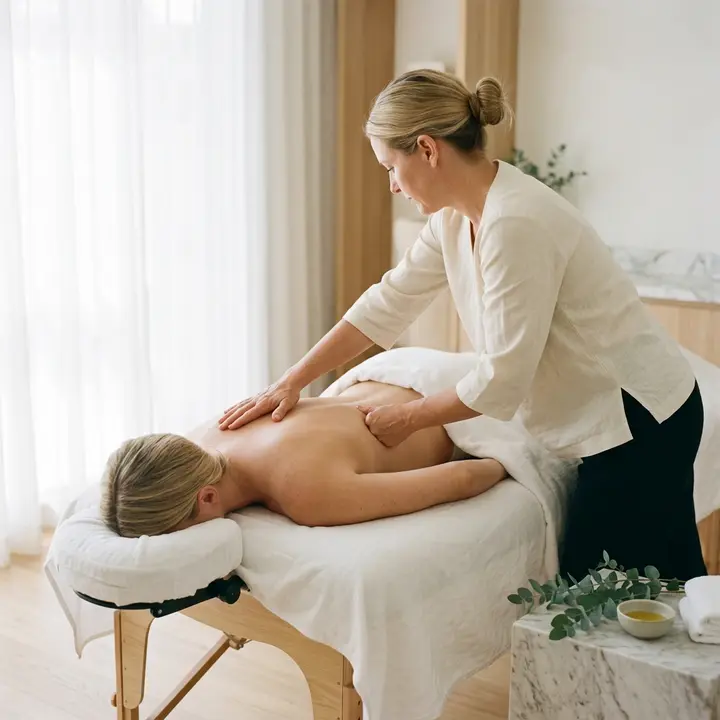
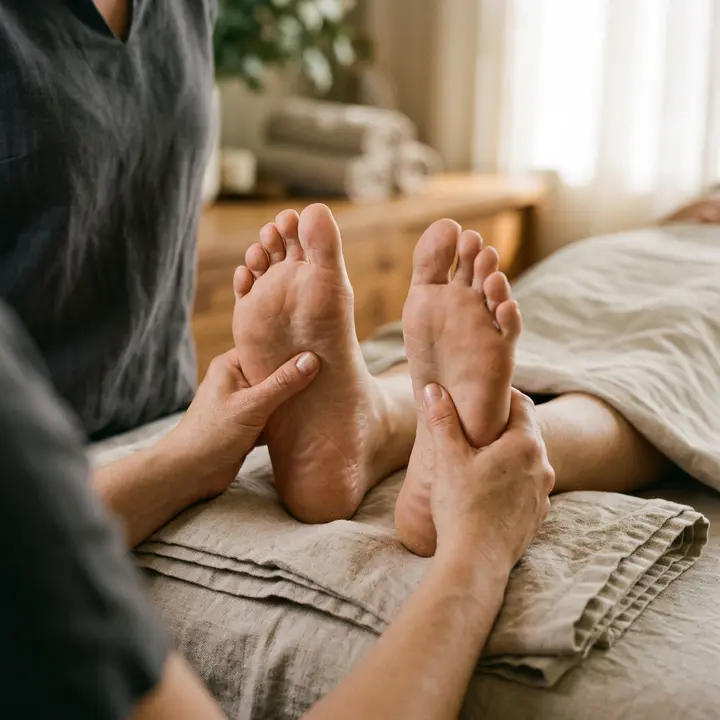
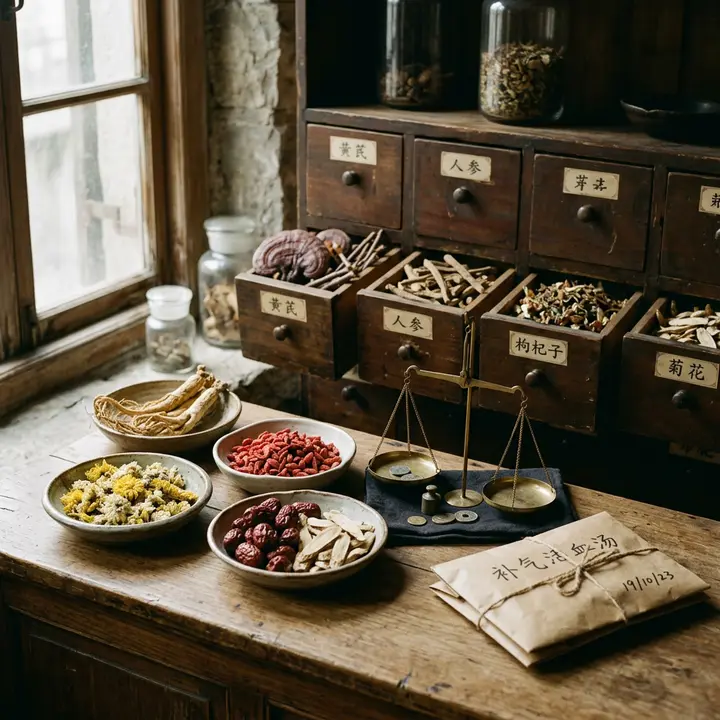
Treatment photography is illustrative of the services described.
Key facts
Tao Spa Glenside at a glance
| Address | 106 N Keswick Ave, Glenside, PA 19038 |
|---|---|
| Phone | (215) 824-8585 |
| Hours | Mon–Sun 9:00 AM – 9:00 PM |
| Google rating | 4.7 stars from 359 reviews |
| Session lengths | 15 · 25 · 30 · 50 · 60 · 75 · 90 · 100 · 120 · 360 minutes |
| Menu size | 45 bookable services across 8 categories |
| Other location | Tao Spa Spring House — 752 N Bethlehem Pike, Spring House, PA 19477 |
| Other location hours | Mon–Sun 10:00 AM – 9:00 PM (Closed Tuesday) |
Session lengths
Asian massage sessions bookable in Glenside
| Service | Length | Menu section |
|---|---|---|
| Reflexology Special | 50min | Tao's Specials |
| Healthy Combo Massage | 60min | Tao's Specials |
| Asian Power Massage | 60min | Massage Pro |
| Tao Ashiatsu Massage | 90min | Massage Pro |
| Migraine Massage + Free Guasha | 60min | Massage Pro |
| Couples Healthy Combo Massage | 60min | Couples & Four Hands |
| Couples Reflexology | 60min | Couples & Four Hands |
| Reflexology | 30min | Reflexology & Foot |
Lengths come straight from the Glenside menu. Walk-ins are welcome 9 AM to 9 PM, seven days a week.
Frequently Asked Questions
What does 'Asian massage' actually mean at Tao Spa?
Asian massage at Tao Spa refers to the family of bodywork techniques rooted in East and Southeast Asian traditions — Chinese acupressure and tui na, Thai assisted stretching, Japanese-style ashiatsu (therapist uses their feet to walk the back), Korean and Chinese reflexology, plus complementary practices like gua sha, cupping, and moxa. Sessions run 30 minutes, 60 minutes, or 90 minutes depending on style. Our therapists train in this lineage and cross-train in Western massage techniques. The Glenside spa is open 9 AM to 9 PM, 7 days a week, with walk-ins welcome.
Is this a relaxation spa or a clinical practice?
Relaxation spa. Our work draws on traditional Chinese bodywork frameworks but is delivered as a calm spa experience, not a medical treatment. The National Center for Complementary and Integrative Health has measured positions on these traditions — they describe many as safe and supportive when delivered by trained providers, while being honest about the evidence base for medical claims. We follow that same line.
What's the difference between Asian Power Massage and a standard deep tissue?
Asian Power Massage uses elbows, forearms, and (with Ashiatsu) the therapist's feet to deliver broad, even pressure — particularly along the back and legs. Deep tissue uses fingers, thumbs, and knuckles for pinpoint pressure. The two feel different. Many clients alternate between them depending on what their body needs that week.
Do I get massage oil with Asian massage?
Depends on the style. Our Asian Power Massage and Luxury Body Massage use warm oil. The Healthy Combo Massage is cloth-on, no oil, drawing more from traditional Chinese acupressure (tui na) and stretching. Thai Massage is on a mat, fully clothed, no oil. Tell us what you prefer and we will steer you to the right session.
What is Tao Ashiatsu?
It is the version where the therapist uses their feet to deliver broad, even pressure along the back, holding overhead bars for balance. Perfect for clients who want deep, consistent pressure across a large area without the pinpoint feeling of fingers and elbows. 90-minute session. Not for everyone — but the people who love it really love it.
Is reflexology part of Asian massage?
Yes — foot reflexology is a core part of Chinese bodywork, drawing on the same meridian framework as acupressure. We offer 30 and 60-min reflexology with herbal foot baths. Many clients book it as a standalone session, not as an add-on.
Where do your therapists train?
Our team trained in both the traditional Chinese bodywork lineage (tui na, reflexology, gua sha, acupressure meridians) and Western massage techniques (deep tissue, Swedish, hot stone, prenatal). This is the cross-training that lets us match what your body needs that day rather than running a one-style template.
Ready to Relax at Tao Spa?
Whether you're planning a self-care day, booking a massage, or exploring facial treatments, Tao Spa offers a relaxing spa experience at two convenient Pennsylvania locations.
Tao Spa
Glenside: 106 N Keswick Ave, Glenside, PA 19038
Spring House: 752 N Bethlehem Pike, Spring House, PA 19477
(215) 824-8585 Text UsPlan your visit
How do I book a massage at Tao Spa?
Book a massage at Tao Spa in 4 steps: pick Glenside or Spring House, choose a 30, 60, 90 or 120-minute session, reserve online or call (215) 824-8585, then arrive 10 minutes early. Walk-ins are welcome at both Pennsylvania locations whenever a therapist is free, and gift cards are valid at either address.
- Choose your location. Glenside is at 106 N Keswick Ave, Glenside, PA 19038, open Mon–Sun 9:00 AM – 9:00 PM. Spring House is at 752 N Bethlehem Pike, Spring House, PA 19477, open Mon–Sun 10:00 AM – 9:00 PM (Closed Tuesday).
- Pick a treatment and a session length. Massage, reflexology and facials run 30, 60, 90 or 120 minutes; couples rooms are booked in 60, 75 or 90-minute blocks. Not sure what you need? Our full service menu lists every treatment with its length.
- Reserve online, call or text (215) 824-8585. Weekend evenings and couples rooms fill first, so book 2 to 3 days ahead for those slots. Walk-ins are taken any time a therapist is open.
- Arrive 10 minutes early. A first visit starts with a short intake about pressure preference, problem areas and any health notes. Gift cards never expire and work at both locations.